Summer
SURVEY
We’re delighted to have you here on holiday
As part of our GSTC sustainability efforts, we are working to make our region even more livable and responsible for both guests and local residents.
Your opinion matters to us: What did you particularly enjoy during your stay? Where can we improve?
Please take about 10 minutes to share your feedback.
To the survey
Holiday planning
Dachmarke Suedtirol
Holiday planning
telephone-white Call us email-white Write us whatsapp-white WhatsApp arrow-white 360° View

Slow Bike Klausen

Time to Slow Down!

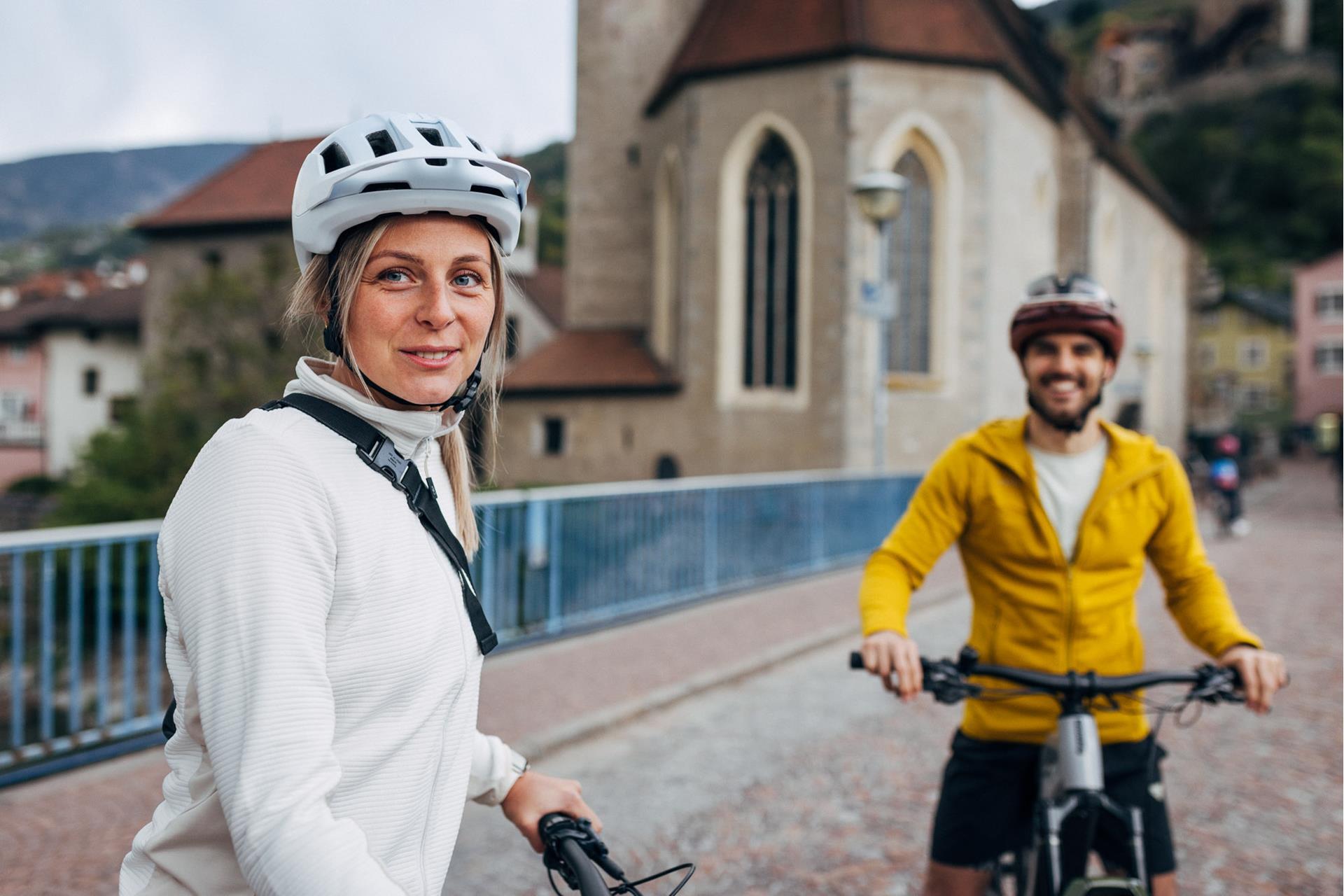
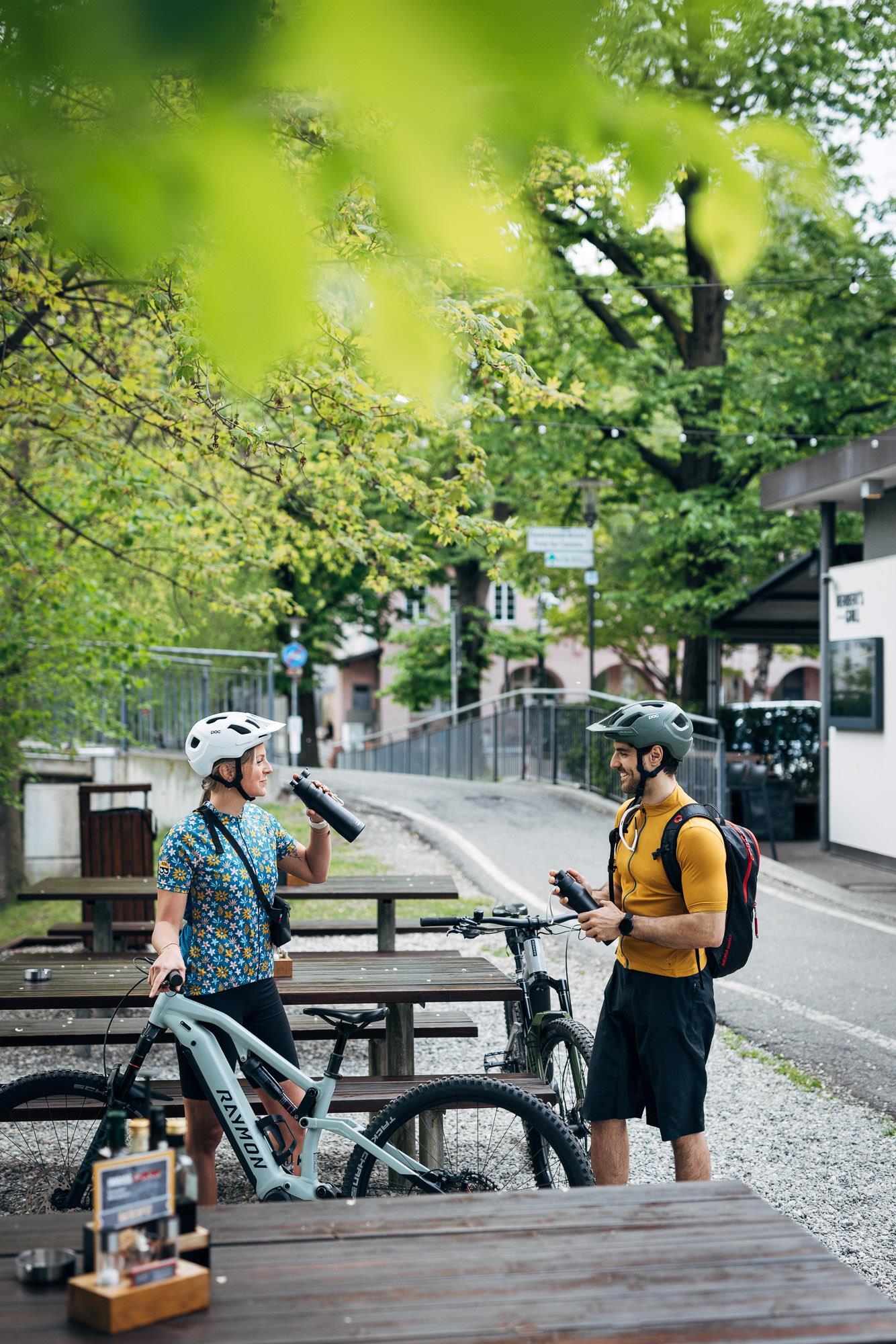
Italy begins at the Brenner Pass – along with one of the most beautiful cycling journeys in the Alps. Yet those who simply race through risk missing the very best of it. History, culture and culinary delights are waiting right beside the cycle path. An invitation to embrace the art of slow biking.

Every year, thousands of cycling enthusiasts cross the Alps by bike. Some arrive from the Zillertal valley and travel through South Tyrol’s Pfitschtal Valley, while others take the more westerly route across the Timmelsjoch Pass. But which is the easiest way through the mountains? The route over the Brenner Pass. No fewer than 66 German emperors travelled this way on their journey to Rome to be crowned by the pope. For centuries, the Brenner has been the Alps’ most important north-south gateway – and more recently, it has also become a favourite route for modern cycle travellers.
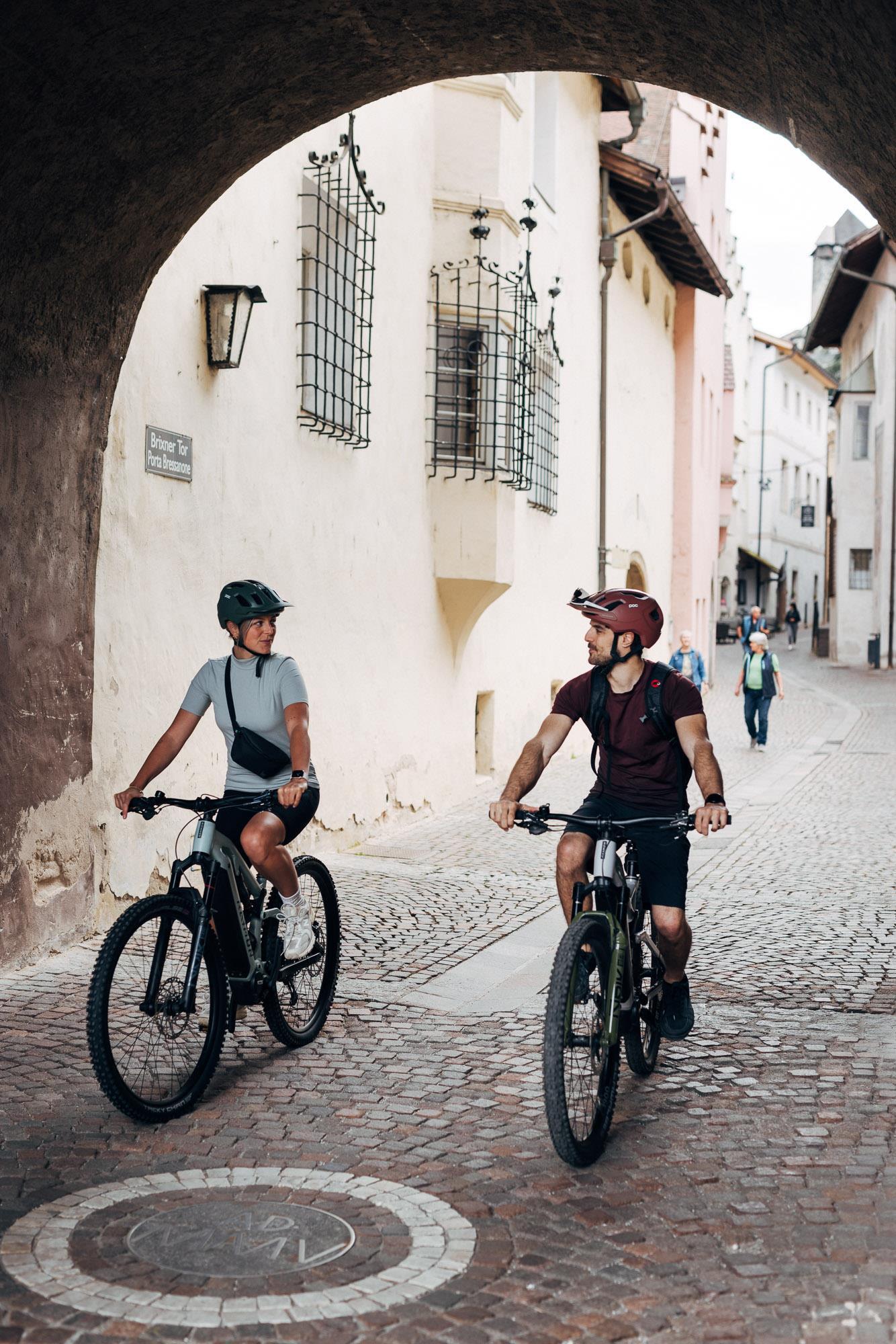
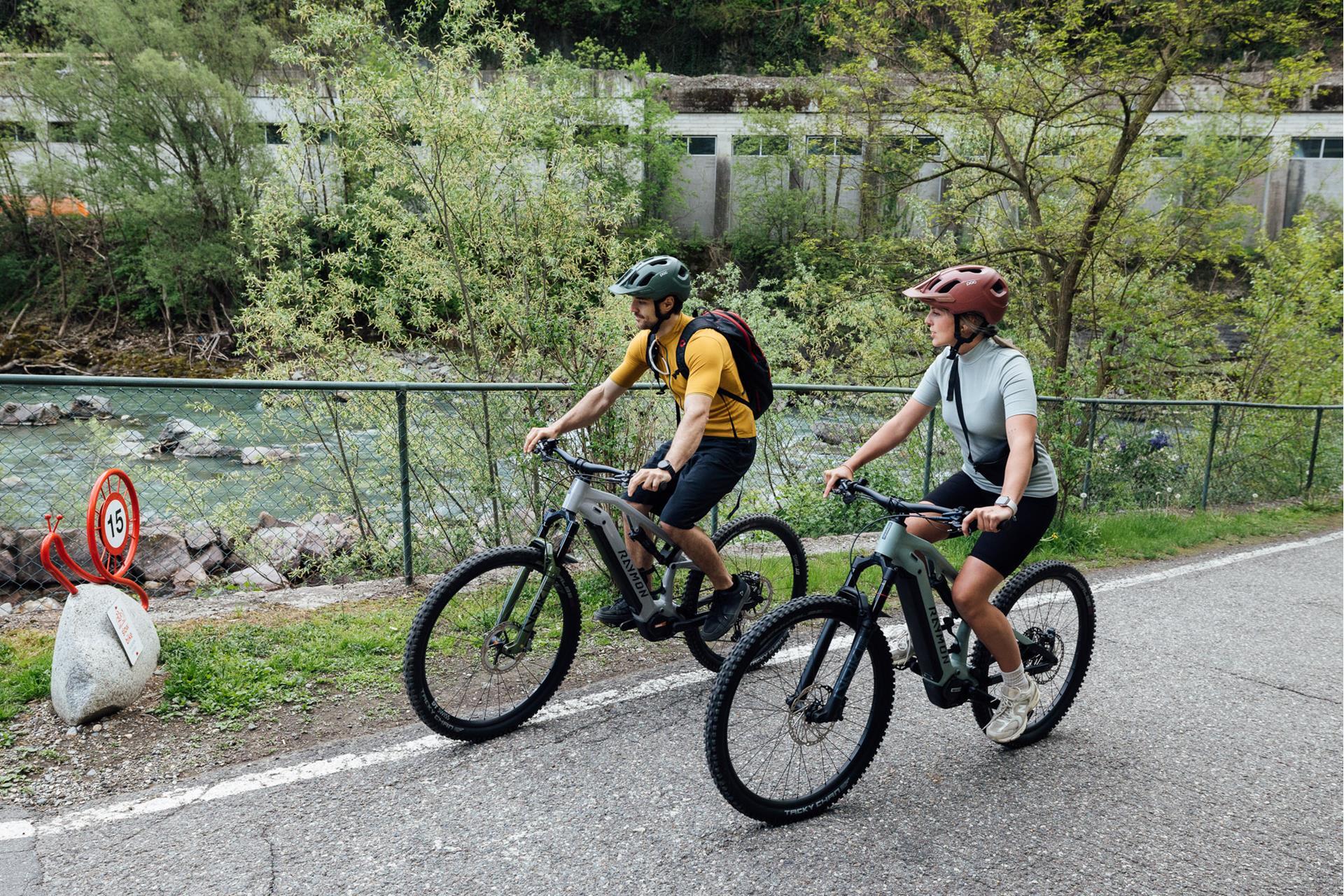
Starting in the border village of Brenner, the well-developed and largely paved cycle path runs away from motorised traffic. Following the route of a former railway line, it passes through tunnels and picturesque landscapes, descending for almost the entire 96 kilometres to Bolzano. It would be easy to sail straight through.

But stopping is very much part of the experience. The Eisacktal Valley is a region of outstanding food, wine and culture. In the towns lining the route – Sterzing, Brixen and Klausen – cyclists will discover not only history and cultural treasures, but also a taste of la dolce vita: the Italian way of life and its wonderfully relaxed approach to enjoyment.
Eppure, il bello comincia quando rallenti.
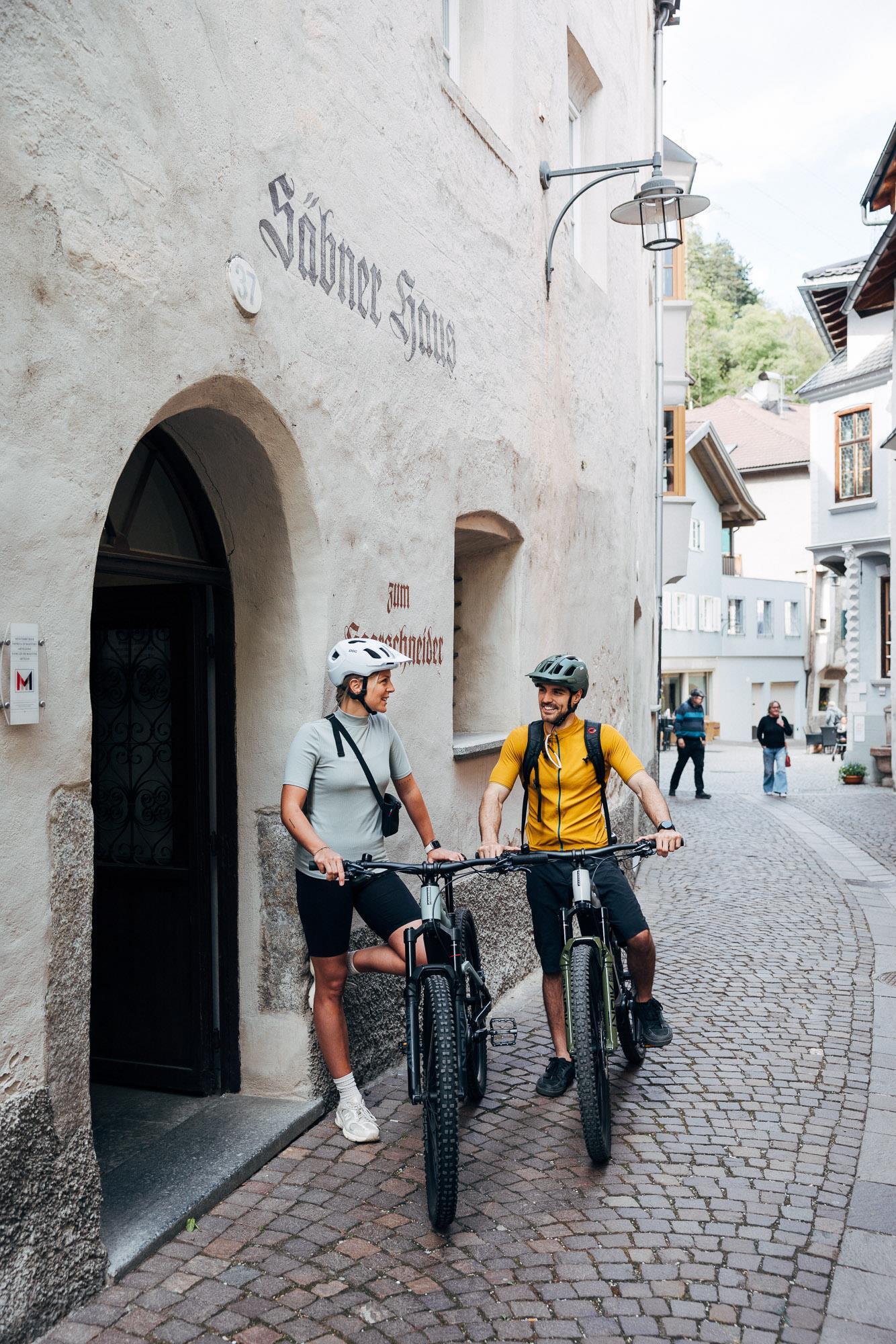
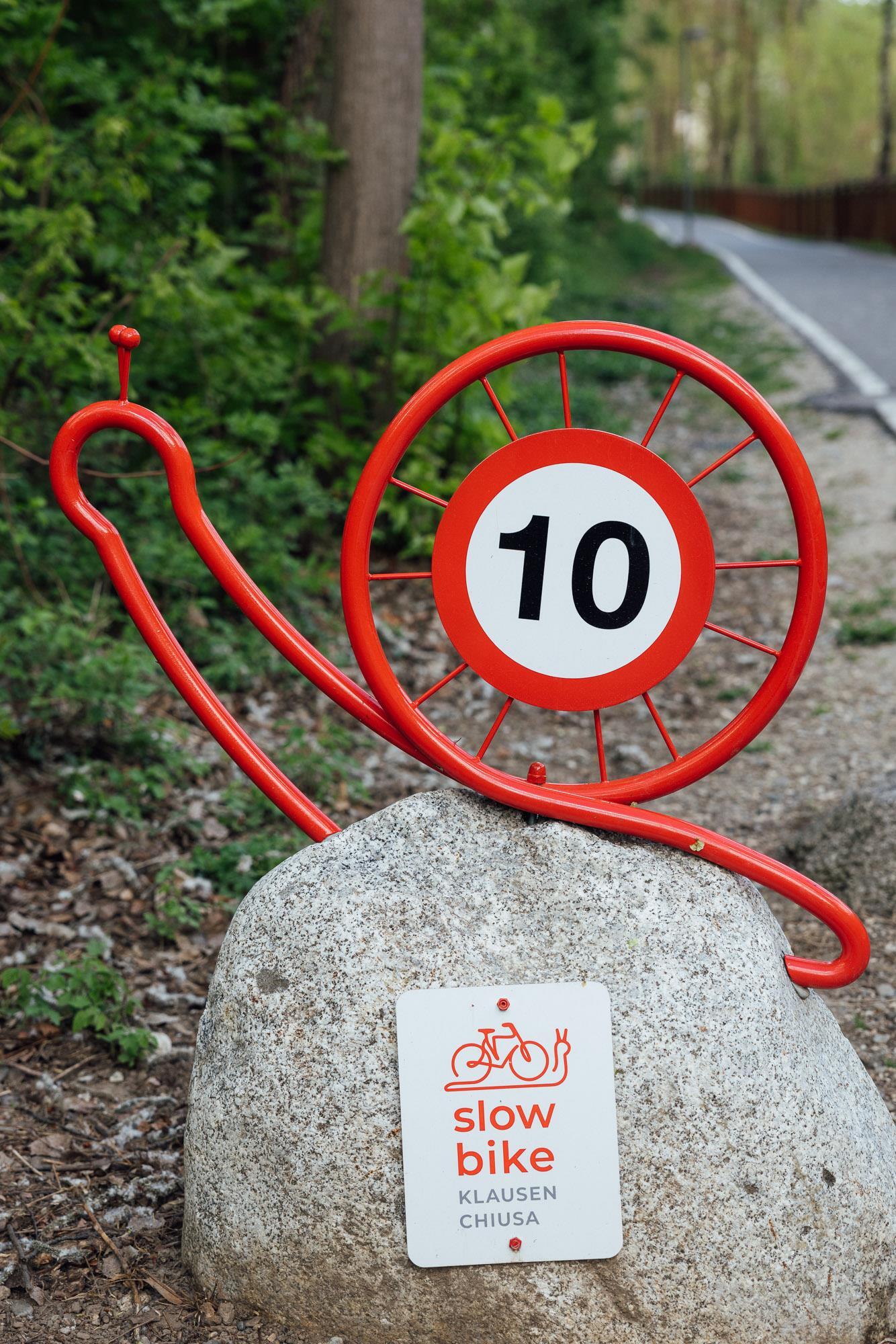
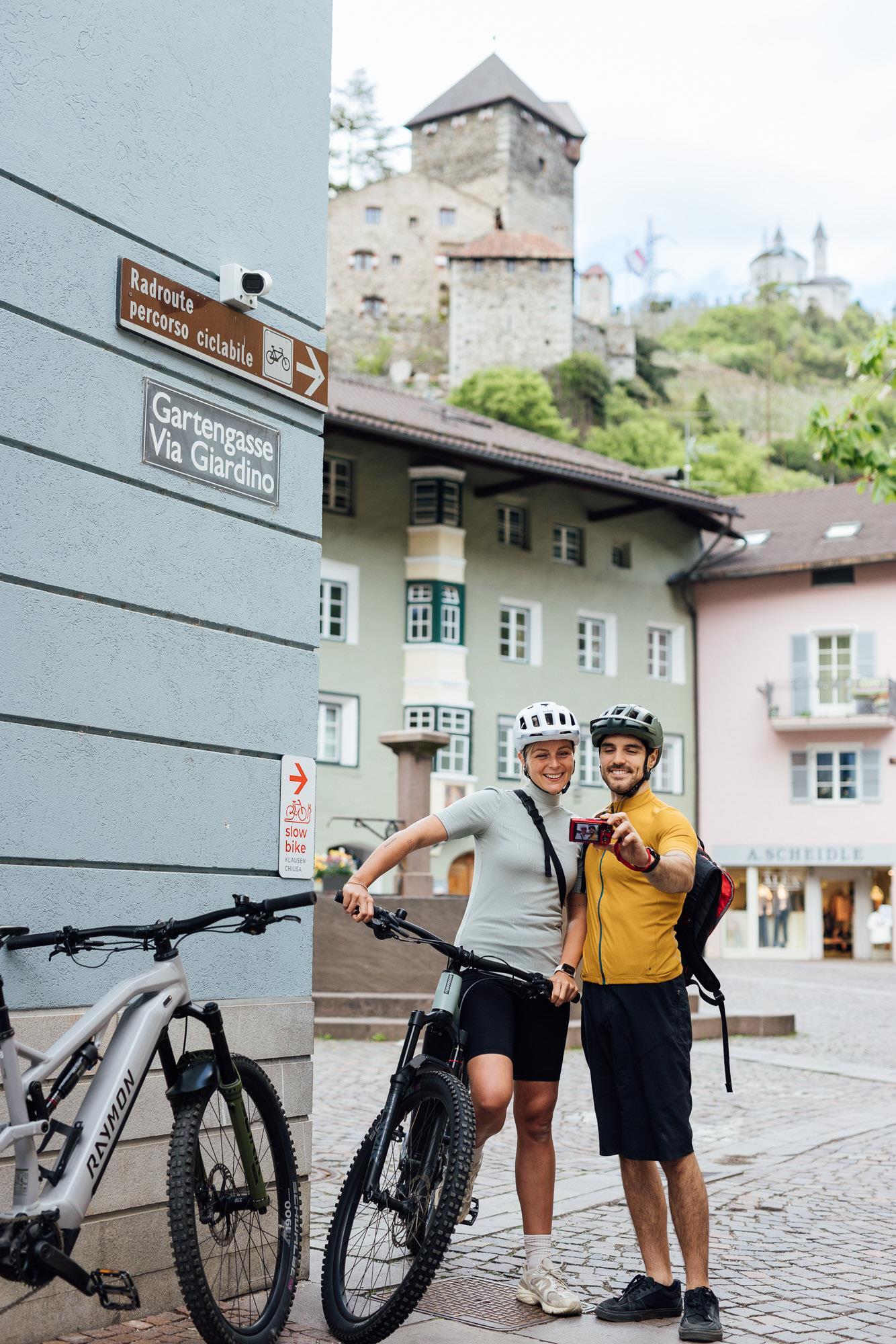
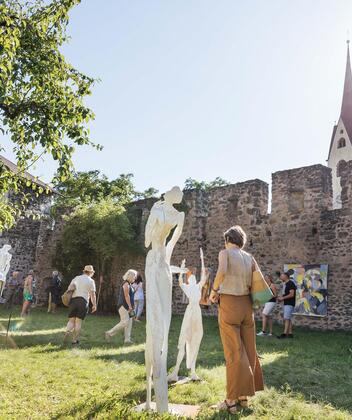
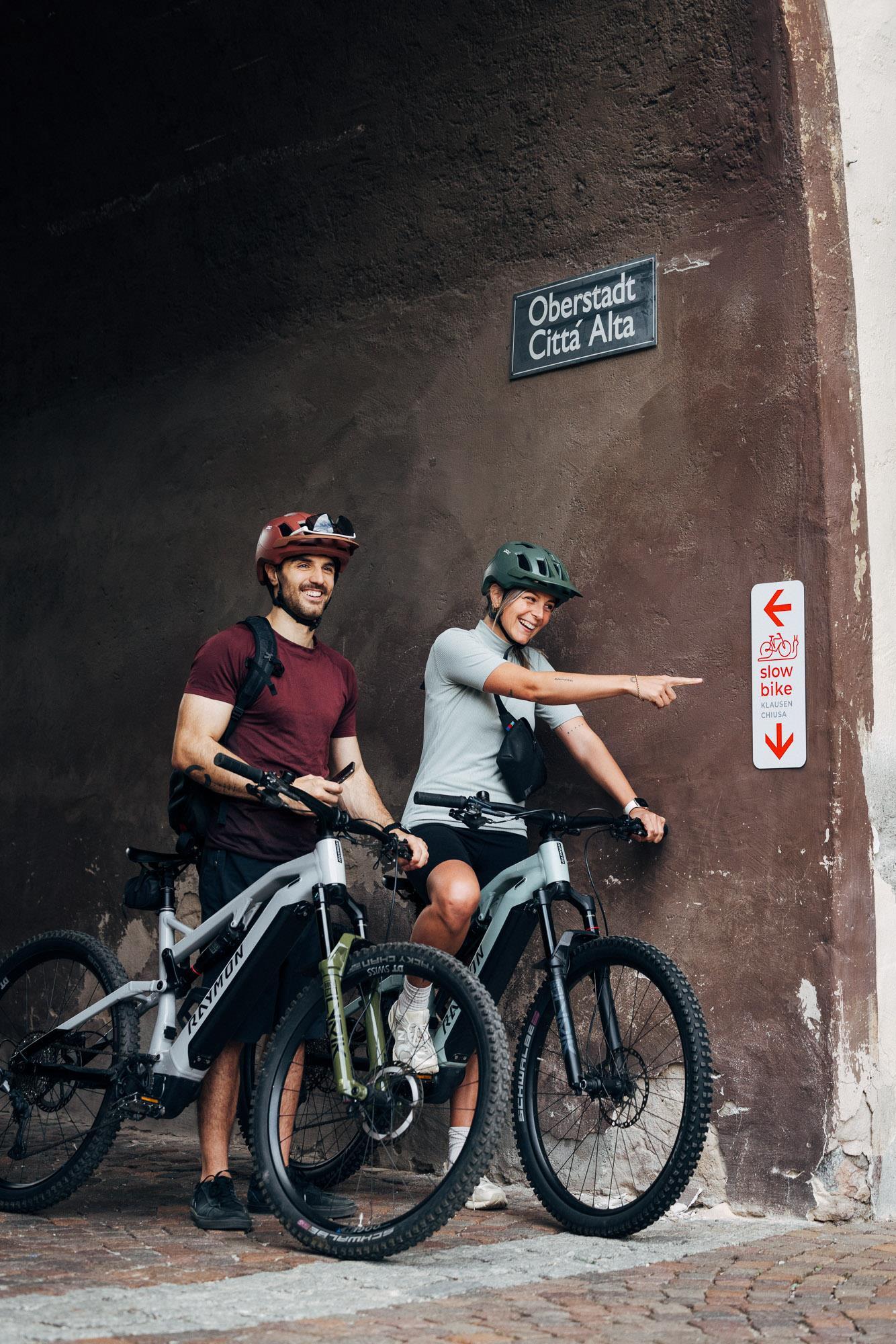
In Klausen, the cycle path leads straight through the centre of town. Recently installed snail symbols and speed limits remind cyclists that the beautifully preserved medieval town is best explored on foot, with bikes pushed through the streets for everyone’s safety and enjoyment. The handsome 15th-century townhouses were built on sloping ground and nestle closely against the rocky slopes of Säben, as though seeking protection from the waters of the River Eisack. Where the upper town meets the lower town stands the richly decorated late-Gothic parish church, also dating from the 15th century.


Few places in South Tyrol have benefited as greatly from their location throughout history as Klausen – and the town’s elegant appearance still reflects its former prosperity. In the narrow passage between Säben Rock and the River Eisack, travellers and merchants heading across the Brenner along one of Europe’s most important trade routes could easily be monitored. A customs post had already been established here before 1027. Klausen and the episcopal seat became particularly wealthy during the 15th and 16th centuries, when local ore mining reached its peak. The key depicted on the town’s coat of arms makes the historical arrangement clear: only those who paid were allowed through the gates.
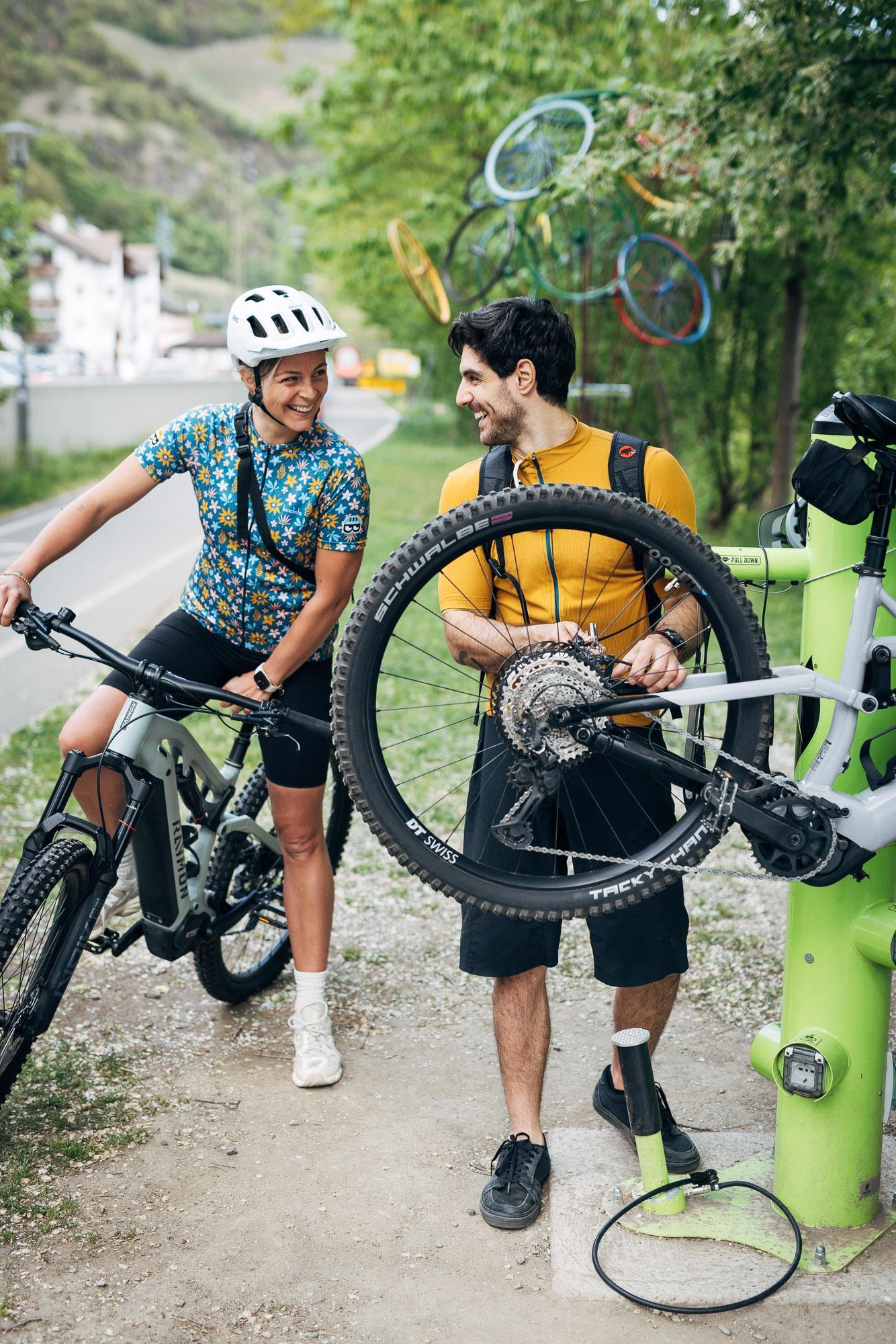
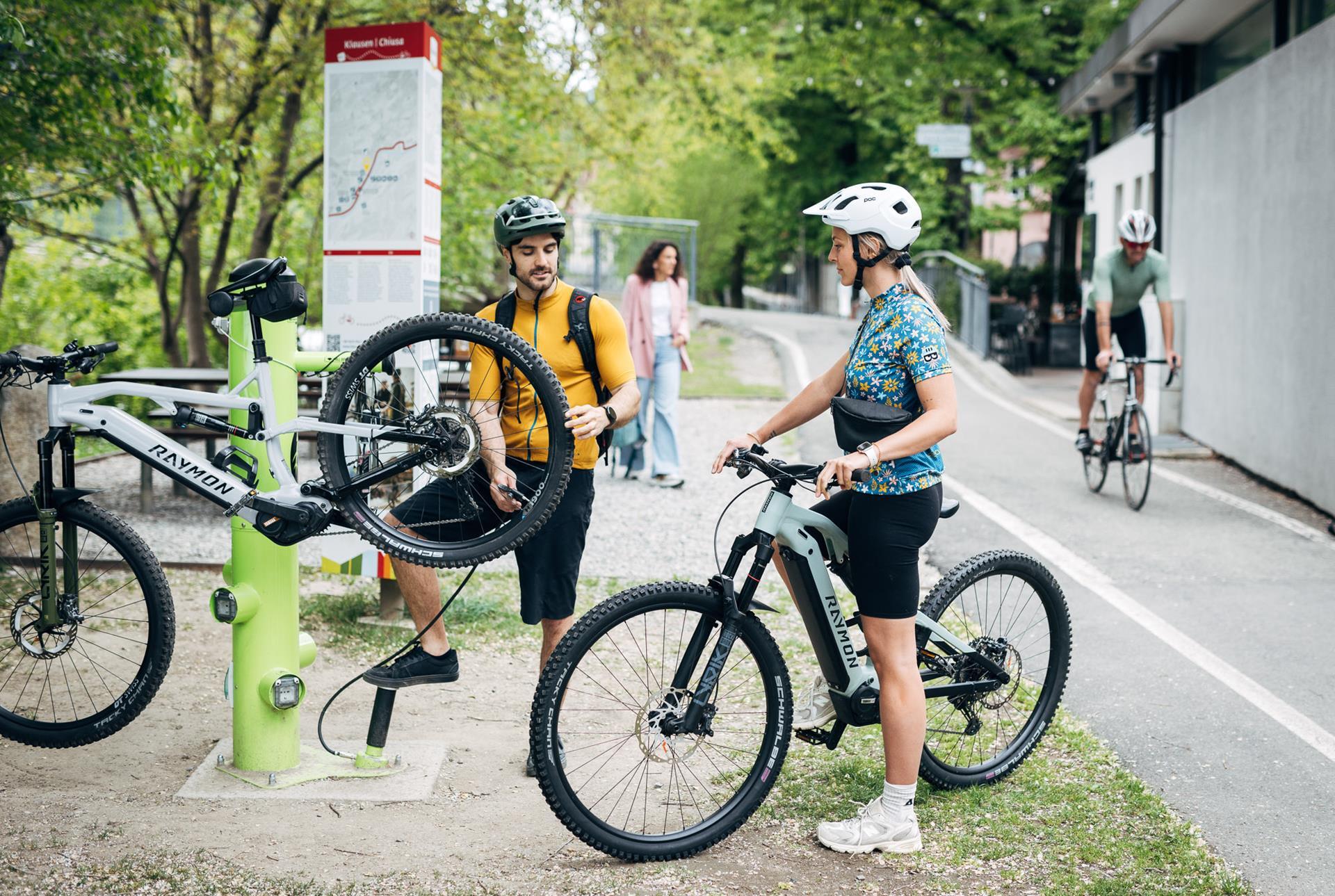
A useful feature for cycle travellers is the small bicycle repair station located close to the town’s main square.
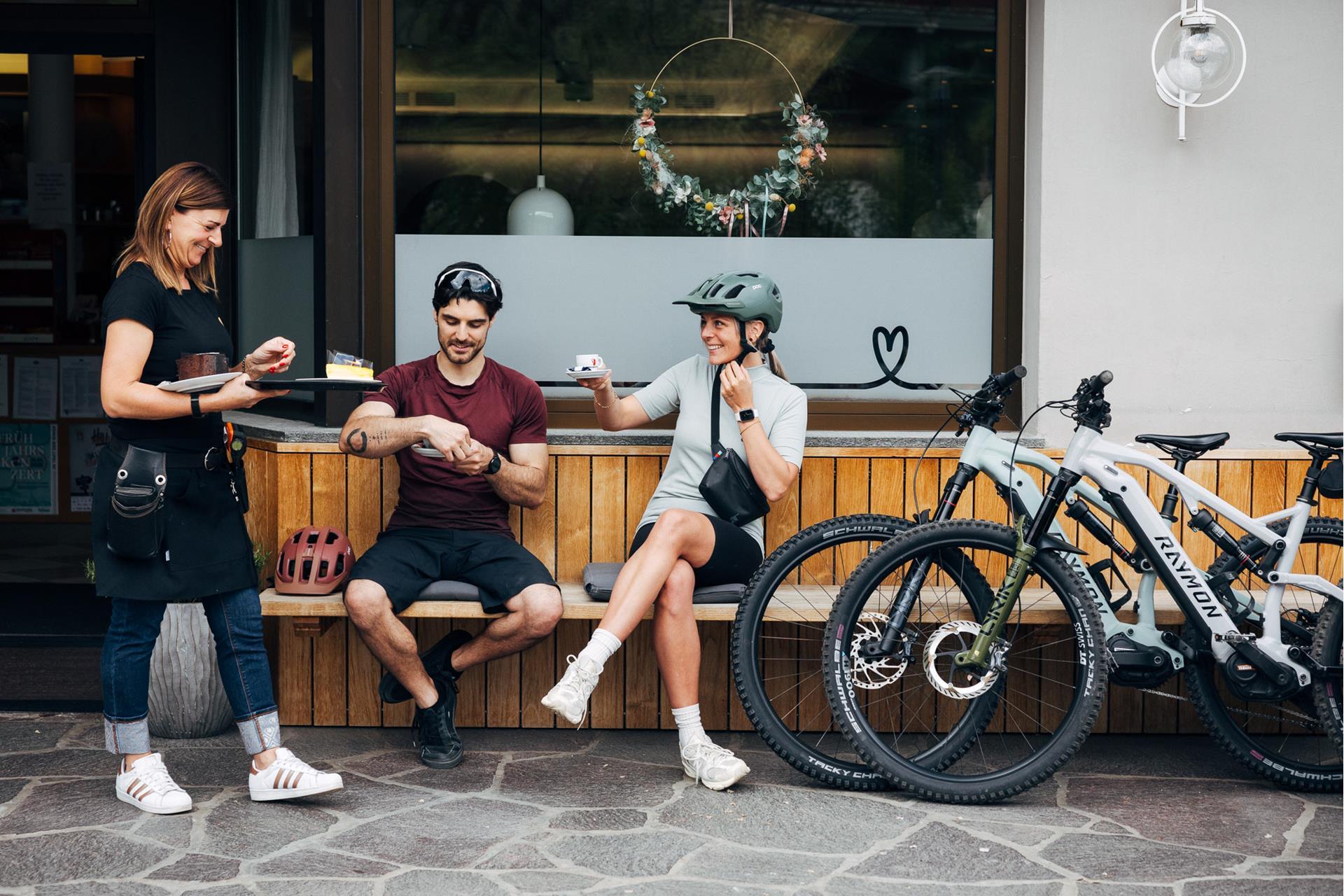
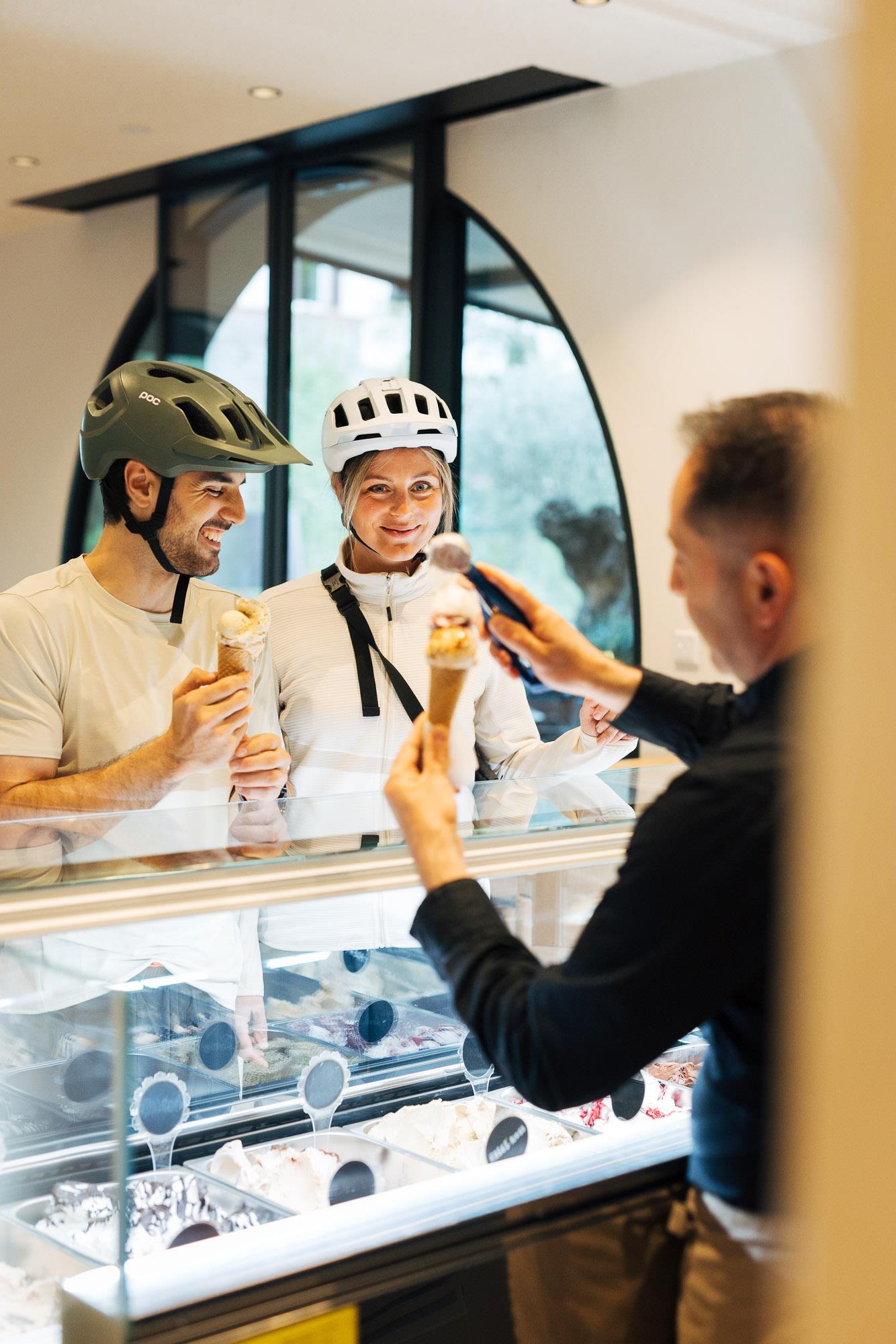
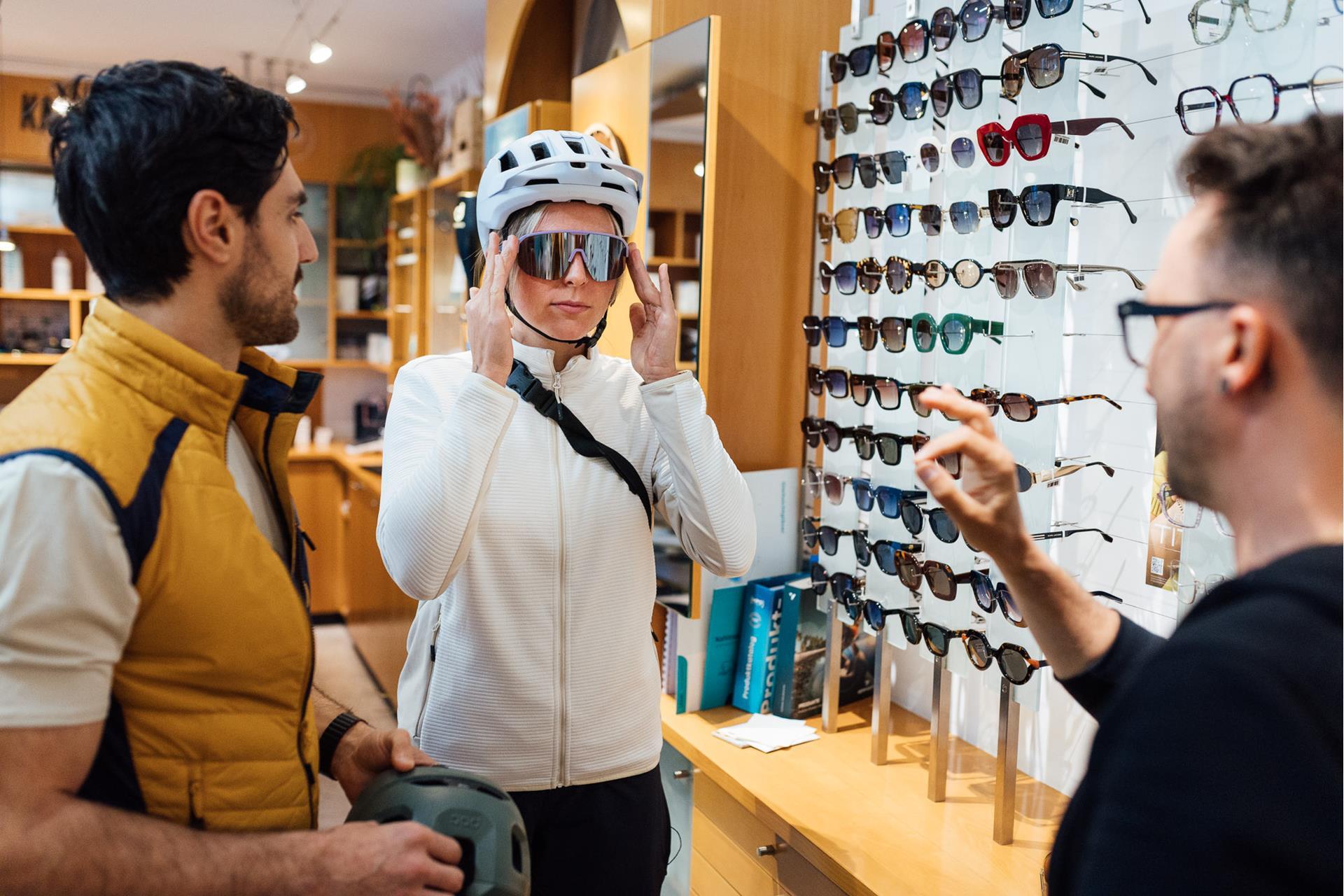
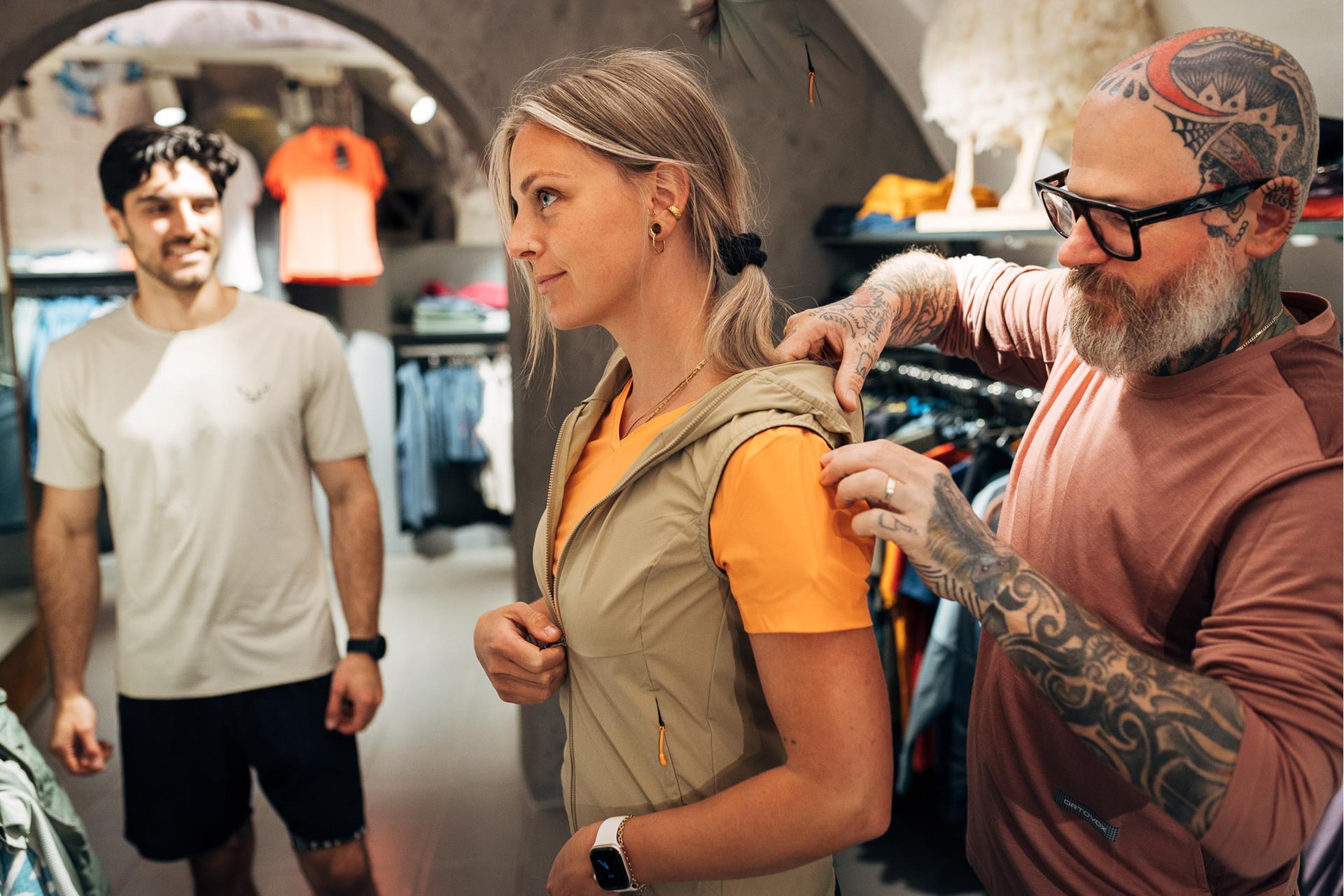
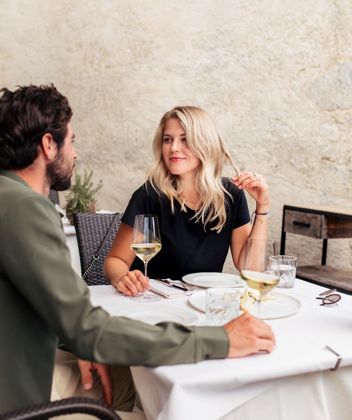
The key may no longer be needed, but Klausen is still far too beautiful to cycle through in a hurry. Among its narrow lanes and magnificent townhouses, lovingly run cafés and restaurants invite visitors to stop for South Tyrolean specialities, an ice cream or an espresso. Perhaps the stylish shops might even reveal a new pair of cycling sunglasses or the perfect sports outfit. At the southern end of the old town, the Municipal Museum, housed in the former Capuchin monastery, displays the famous Loreto Treasure.
Text: Sylvia Pollex
Photos: Thomas Rötting
Pubblication: 2026
tr260421-849